

October 22, 2026 6 min read
Nothing planned. Finally vacation: A weekend without a to-do list
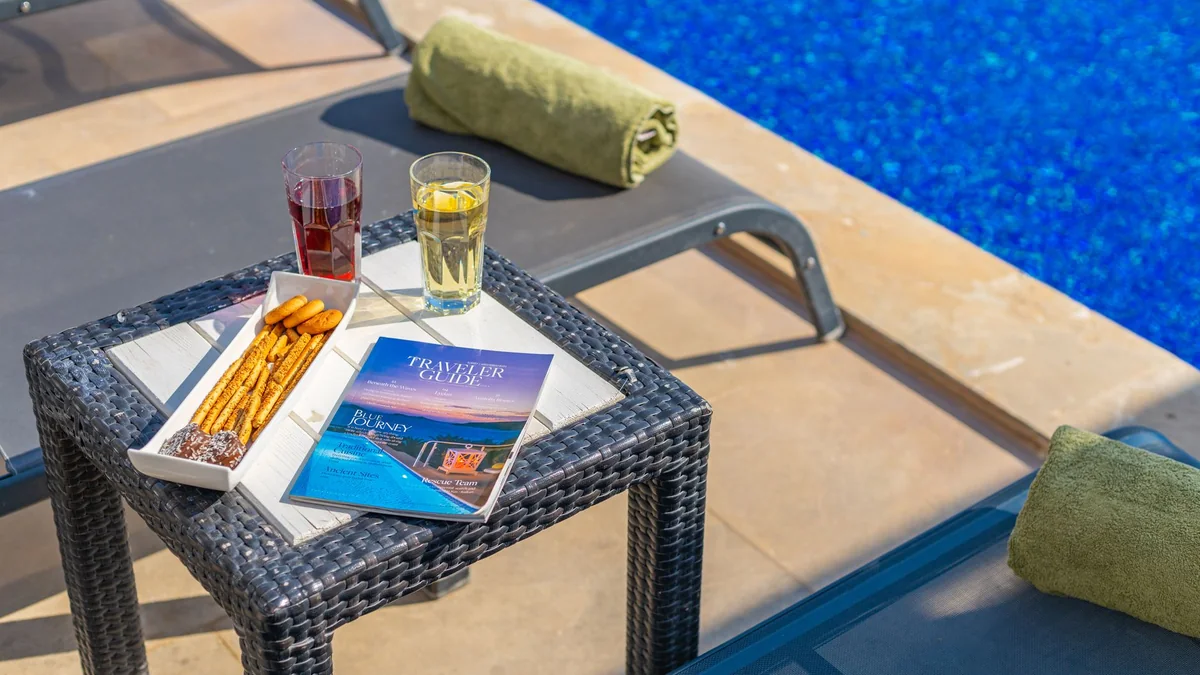
A free weekend can surprisingly quickly start feeling like a project: optimize travel, select sights, reserve a table, compare excursions. In the end...
Contents 6 min read
- Planning less does not mean leaving everything to chance
- Choosing accommodation so you have little to organize
- Three hotel models for minimal planning
- The three-question rule for your weekend
- An example of a relaxed schedule
- Before booking: short questions that save effort later
- What you can confidently leave at home
- A weekend that doesn't need follow-up work
A free weekend can surprisingly quickly start to feel like a project: optimizing travel, picking sights, reserving tables, comparing excursions. In the end, every day is scheduled, and even the break is in the diary. A weekend without a to-do list starts from a different point. You don't decide what you must experience, but what you want to leave out.
This does not mean you should set off unprepared. A little planning takes friction out of the trip. The difference lies in the fact that you only sort out in advance the things that grant you freedom: suitable accommodation, the journey there, and a rough idea of what you could do if you feel like it.
Planning less does not mean leaving everything to chance
A good weekend without a program has a reliable framework and open time in between. You know where you are sleeping and how you are arriving. You don't have to know by Thursday which café you will be sitting in on Saturday at eleven.
A simple tripartite division is helpful: What must be fixed? What would be nice? What is deliberately left open? The first group usually includes travel, accommodation, and necessary reservations. The second might include a walk or a visit to the sauna. The rest can wait until you are on-site.
This takes the pressure off decision-making. If the weather changes, the whole plan doesn't fall apart. If you prefer to stay in the hotel, you don't have to justify yourself. And if curiosity does get the better of you, you can do something spontaneously.
Choosing accommodation so you have little to organize
For a short stay, the location influences how much time is spent on getting around. Therefore, think not only about which country or region appeals to you, but also about how you want to get around on-site. Do you want to travel without a car? Do you want to be able to go for a walk directly from the accommodation? Is it important for you to have meals at the hotel?
The Overview of Adults-Only Hotels helps you start your search. Compare the details that are truly important for your stay, and check any open questions directly with the hotel. An adults-only hotel can be suitable for a quieter weekend; however, it guarantees neither silence nor a specific offering. Age rules, meal times, spa access, and room location should be confirmed specifically.
If a spa area is important to you, you can search for suitable hotels in the Category Wellness and Spa. Treat the category as a guide and then ask for the details for your desired dates. Opening hours and services can change; they should be checked before booking.
Three hotel models for minimal planning
| What you wish for | Which framework might fit | What you clarify beforehand |
|---|---|---|
| A walk, then back again | Country hotel with paths directly from the doorstep | Is the path suitable for you, and is there dinner at the hotel? |
| Watching water and forgetting the time | Hotel by a lake or the sea | Is the water actually at the hotel, or do you need the car for every visit? |
| Robe on, daily plan off | Spa hotel with board | Which areas can you use without a reservation, and when are they open? |
These are selection models, not promises from individual hotels. A small country hotel might require more advance planning for dinner than a large resort. A spa hotel, in turn, might require fixed treatment times. Find the framework where your most important holiday wish works with the fewest additional decisions.
The three-question rule for your weekend
Before booking an activity, answer three questions:
- Do I really want to do this? An excursion you only schedule due to a recommendation doesn't have to go on the list.
- Does it suit my energy level? After a long journey, a free evening can be more valuable than a full program.
- Can I decide spontaneously? If yes, the activity does not need to be fixed in advance.
These questions also help to align expectations with a travel companion. Perhaps one person wants to go hiking while the other wants to read. Accommodation with multiple possibilities can then be a better fit than a tight joint plan. Agree beforehand that separate time does not mean the weekend is a failure.
Couples travelling together who are still looking for a suitable hotel can additionally use the Couple Finder. It is a search path for shared preferences; you should still check the specific suitability of the accommodation for your dates yourselves.
An example of a relaxed schedule
The following schedule is not a recipe, but a way to truly keep free time free:
| Time | Fixed framework | Open possibility |
|---|---|---|
| Friday | Arrival and check-in | Dinner at the hotel or nearby, without a second stop |
| Saturday morning | Breakfast | Sleeping in, walking, or reading |
| Saturday afternoon | No reservation | Wellness, excursion, or break in the room |
| Saturday evening | Only a reservation if desired | Otherwise decide on-site |
| Sunday | Departure within the known timeframe | A final walk, if it fits into the day |
Plan the return journey and necessary bookings, but leave breathing room between these points. A free block is not there to be filled with an activity later on. It is a genuine option to do nothing.
Before booking: short questions that save effort later
A weekend without a to-do list works better if you don't have to organize surprises on-site. Therefore, check in advance what influences your stay:
- How do you get from the station or car park to the hotel?
- Is a meal at the hotel possible if you don't want to go out in the evening?
- What services are included in the room rate, and which cost extra?
- Is there a wellness area, and does access need to be reserved?
- At what times are check-in and check-out scheduled?
- Can you cancel or change the date if something comes up?
The answers are individual and can change. Don't rely on general statements or details from old reviews. If a point is crucial, ask for current confirmation.
What you can confidently leave at home
For a free weekend, you don't need equipment for five possible hobbies. Pack according to the season, your planned travel, and the confirmed offers. A book, comfortable shoes, and clothes for changeable weather are enough for many; what you actually need depends on your plans.
Digital lists can also stay at home. You don't need to mark sights for the trip to "count". If you like having an anchor, save a single idea that you can bring up if you feel like it. Nothing more.
A weekend that doesn't need follow-up work
If you don't feel on Sunday that you have ticked off a program, that might be exactly the desired effect. The weekend was not a competition or a collection of photo opportunities. It was time that was not completely scheduled.
For your next break, you can start with a simple decision: What should feel easier after these two days? Choose accommodation and travel accordingly and leave the rest open. In the Hotel Selection you will find a starting point; the Magazine collects further inspiration for quiet and active short breaks. The best to-do list for such a weekend is short enough to give you space.
Suitable next travel ideas: Sleepcation and first weekend without children.
Never miss an insider tip again
Get exclusive hotel recommendations, insider tips and special offers — straight to your inbox. No spam, just inspiration.
Subscribe to newsletterDiscover more
More articles you might be interested in
October 22, 2026
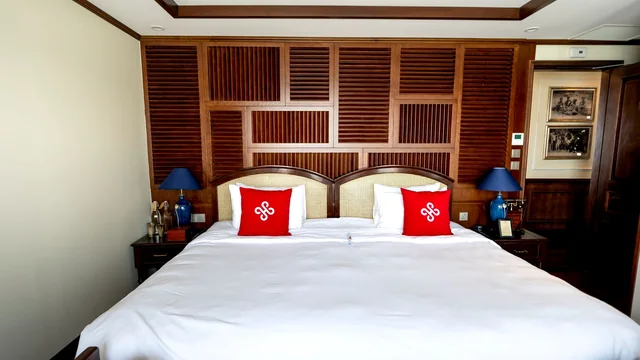
The hotel bed is the destination: sleep vacation in an Adults-Only hotel
You wake up and have to think about what day it is. No alarm clock, no early appointment, no race to breakfast. Perhaps this very morning is your next travel destination...
Read more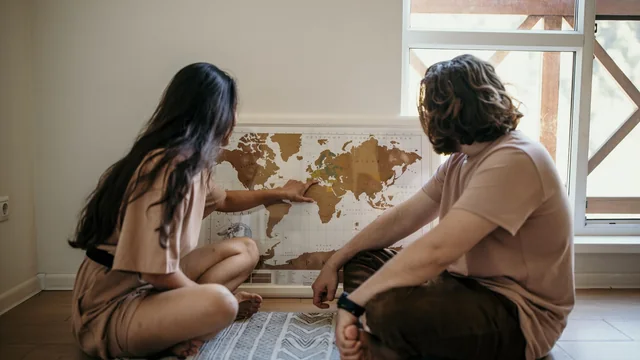
October 22, 2026
The first weekend without children: How to make sure your break doesn't turn into a planning project
The suitcase is almost packed, the care is arranged – and yet thoughts are already circling back to home. Those travelling without children for the first time might know precisely this mix...
Read more